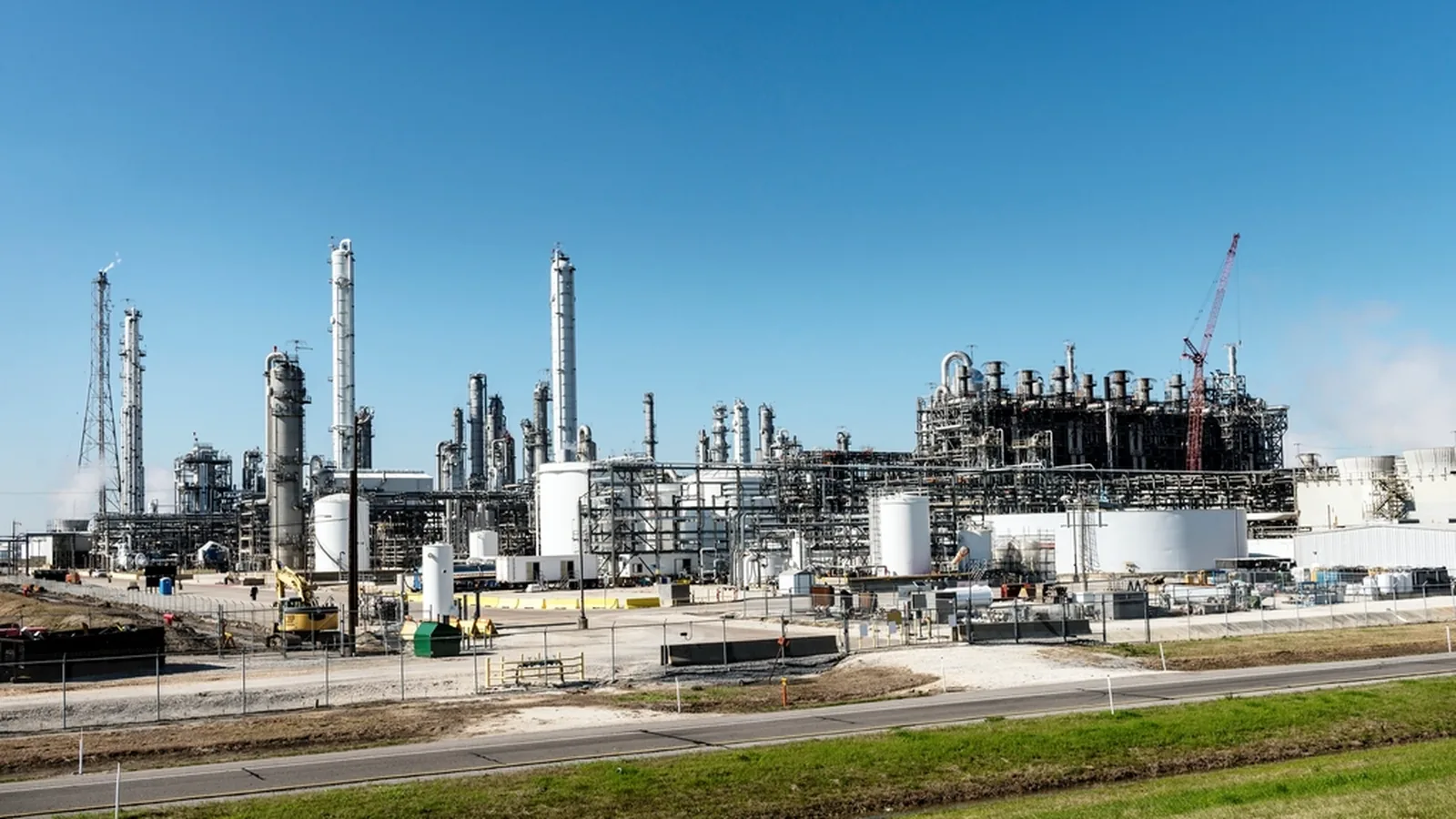
Coastal GasLink Gives Five First Nations an Economic Stake
TC Energy closed a deal giving five First Nations an interest in a pipeline already moving 2.1 Bcf/d to LNG Canada. Price and stake size are not stated.
The Coastal GasLink deal gives five First Nations a share of returns from a pipeline already delivering 2.1 billion cubic feet per day to LNG Canada, so it is financed, operating capacity, not a pledge. TC Energy has not stated the price or stake size. Phase 2 expansion is a separate question.
The Gulf Barrel Desk · 3 min read- TC Energy closed an agreement on 13 October 2026 giving five First Nations an economic interest in Coastal GasLink.
- The interest is held through FN CGL Pipeline Limited Partnership, which gains an economic interest in the entity holding TC Energy's limited partner interest, not direct ownership of pipeline assets.
- The TC Energy release states no price, stake percentage or financing terms.
- The 670 km line delivers about 2.1 Bcf/d to LNG Canada, so the interest sits on operating capacity.
- A second transaction with additional First Nations is expected to close in the fourth quarter of 2026.
TC Energy announced on 13 October 2026 that it has closed an agreement giving five First Nations an economic interest in the Coastal GasLink pipeline in British Columbia. The release states no price, stake percentage or financing terms. What it does establish is the asset: a 670 km line already delivering about 2.1 billion cubic feet per day of gas to LNG Canada in Kitimat. That places the deal at the delivering end of the capacity spectrum. This is analysis, not investment advice.
What the deal transfers
The deal transfers an economic interest, not control or direct asset ownership. According to TC Energy's release, FN CGL Pipeline Limited Partnership, an Indigenous-led investment entity, closed the agreement with TC Energy. The Haisla Nation, Halfway River First Nation, McLeod Lake Indian Band, Saulteau First Nations and West Moberly First Nations obtain an economic interest in the entity that holds TC Energy's limited partner interest in Coastal GasLink. TC Energy remains operator and co-owner, and describes the benefit as long-term, predictable financial returns.
What the release leaves out
Neither TC Energy's release nor Offshore Technology's report on it states a price, a stake percentage or the debt used to fund the purchase. The release says only that the entity is Indigenous-owned and financed. Without those figures, no implied valuation of Coastal GasLink can be calculated and the deal cannot be benchmarked against earlier pipeline stake sales. Until a filing or company statement supplies them, any number attached to this transaction is an estimate, not a reported fact.
Why the pipeline is a delivering asset
Coastal GasLink is a delivering asset because it already moves gas to its customer. TC Energy states it carries 2.1 billion cubic feet per day from northeastern British Columbia to LNG Canada, where the gas is liquefied for export. Offshore Technology lists the plant's partners as Shell, Petronas, PetroChina, Mitsubishi and Korea Gas Corporation, so the line serves an export plant owned by a mix of majors and state-linked buyers. That is the opposite of a project awaiting financing or an offtaker.
Where expansion fits
Expansion is a separate bet from this deal. Offshore Technology reports that a positive final investment decision on expanding the Kitimat plant led TC Energy to confirm Coastal GasLink Phase 2 in September 2026, adding compressor stations to roughly double capacity. TC Energy's release says system capacity will nearly double with Phase 2. For global gas markets, that is the item to track: more Canadian LNG feedgas competes for Asian buyers with Gulf and other supply, though neither source sizes that effect.
What to watch next
The next marker is a second transaction involving additional First Nations, which TC Energy says is expected to close in the fourth quarter of 2026. Watch whether that closing, or any regulatory filing, finally discloses pricing or the combined Indigenous share, and whether Phase 2 construction milestones follow the September confirmation. Until then, the verified facts are the participants, the structure and the operating throughput. This is analysis, not investment advice.
- Which First Nations get an economic interest in Coastal GasLink?
- The Haisla Nation, Halfway River First Nation, McLeod Lake Indian Band, Saulteau First Nations and West Moberly First Nations, through FN CGL Pipeline Limited Partnership, according to TC Energy's 13 October 2026 release.
- How large is the stake and what was paid?
- Neither is stated. TC Energy's release gives no stake percentage, dollar amount or debt terms, and the Offshore Technology report on the deal gives none either.
- Does the deal add gas capacity for LNG exports?
- No. It changes who shares the returns, not throughput. Expansion comes from Coastal GasLink Phase 2, which TC Energy says will nearly double system capacity from the current 2.1 Bcf/d.
- TC Energy closes First Nations investment deal for CGL pipeline — Offshore Technology
- TC Energy announces Indigenous investment in Coastal GasLink — TC Energy (GlobeNewswire release, 13 October 2026)