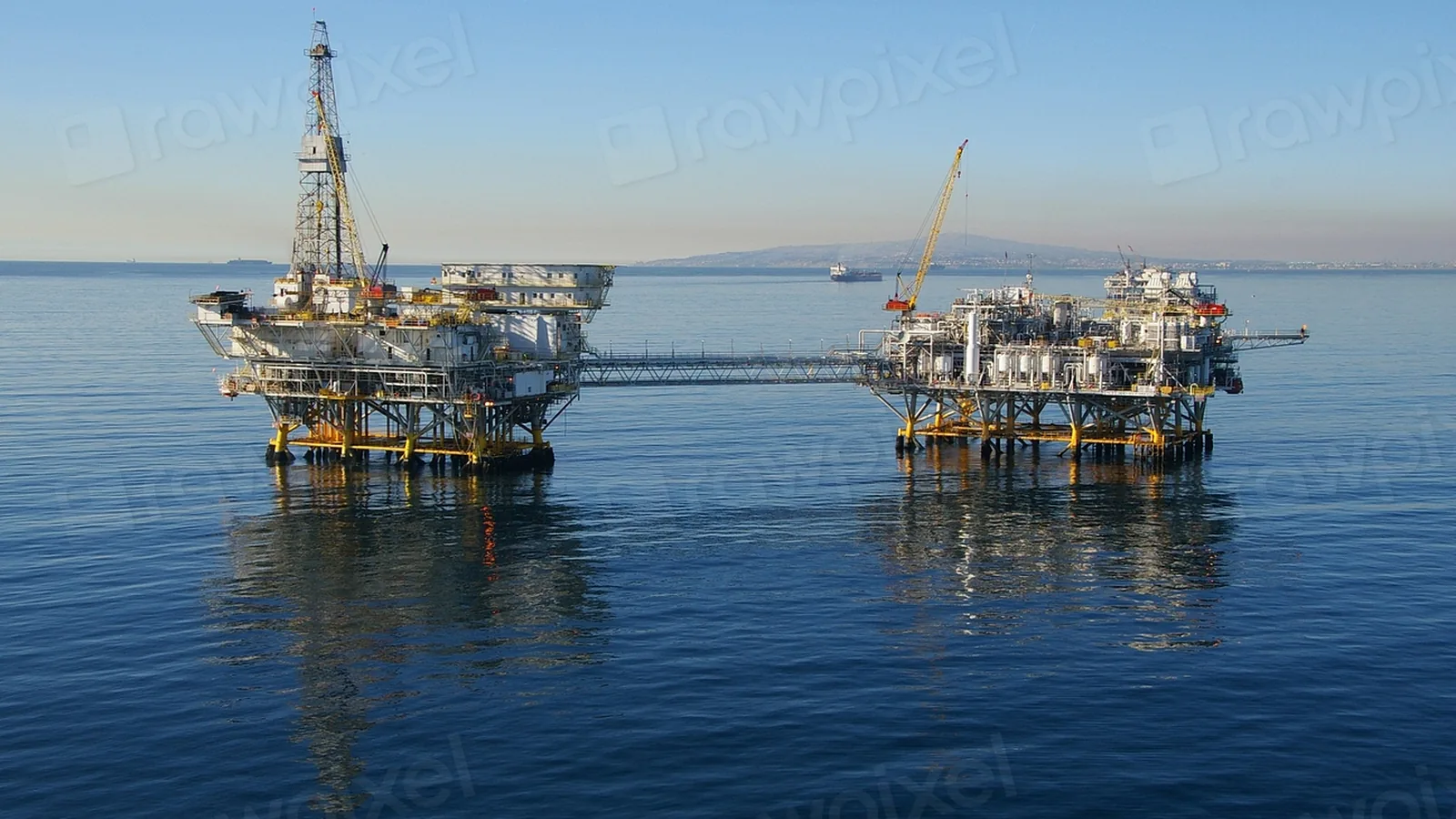
DOE Earmarks Up to $42M for Constitution Gas Pipeline
Refining, Petrochemicals and Gas/LNGThe Department of Energy has committed up to $42 million in Defense Production Act Title III funding to advance the Constitution Pipeline, a proposed 125-mile gas line from Pennsylvania to New York. The money targets permitting and pre-construction work; it does not settle New York's opposition, and no schedule has been published.

BOC's Teesside Capture Plant Targets CO2 Supply
The Transition DeskBOC's new Teesside plant captures CO2 from its North Tees hydrogen plant and purifies it to food and beverage standards, according to Energy Voice. That makes it an industrial CO2 supply story first. Capacity was not disclosed, and the report does not mention geological storage, so it should not be sized as decarbonisation.
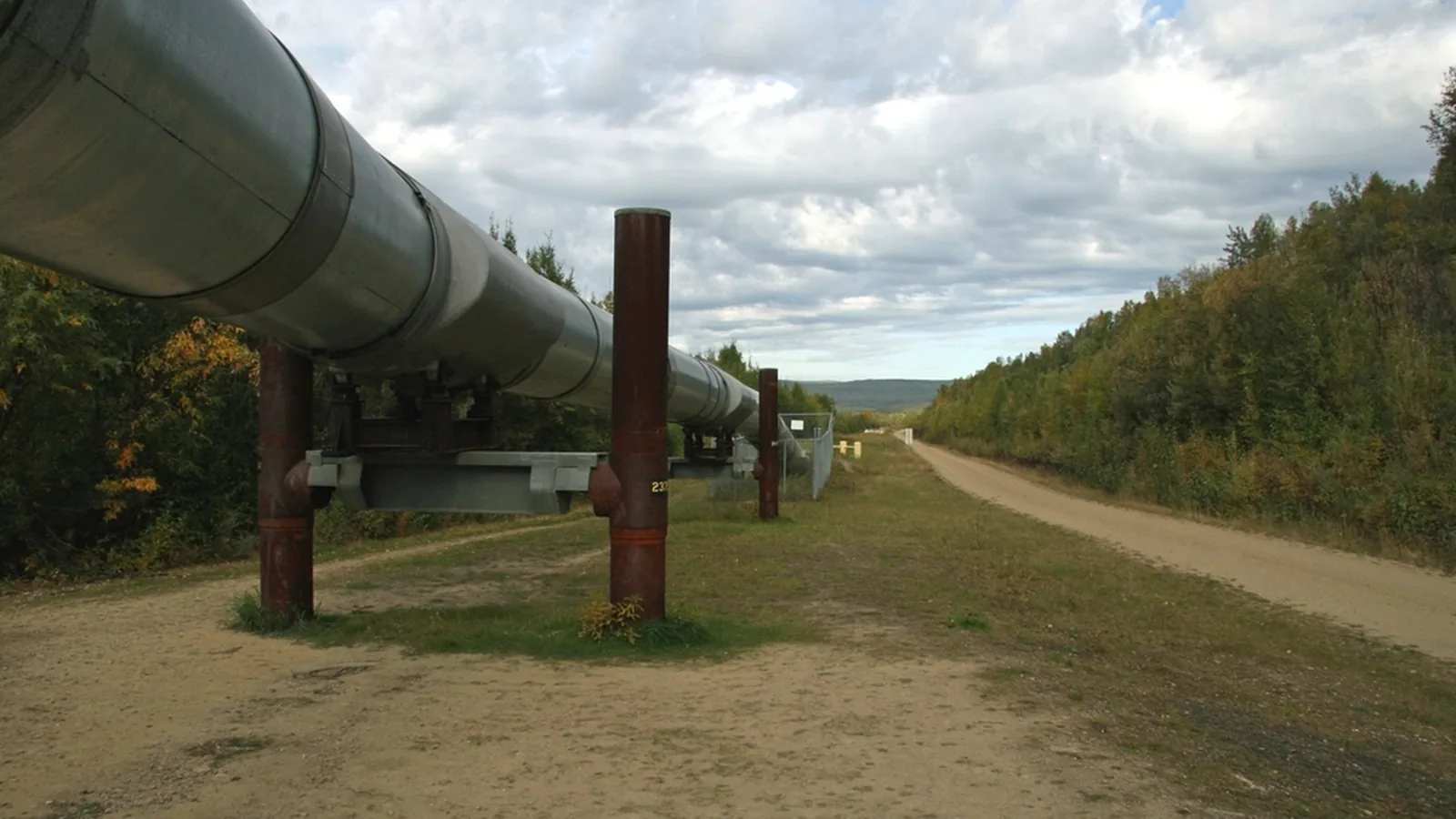
Berlin Moves to Halt German Refinery Closures
The Transition DeskGermany's government says it will try to stop further refinery closures, but announced capacity is not financed capacity. Economy Minister Katherina Reiche promised a refining strategy by early next year, with no funding or barrel figures yet. BP's Gelsenkirchen site, sold this year, shows how much depends on owners.
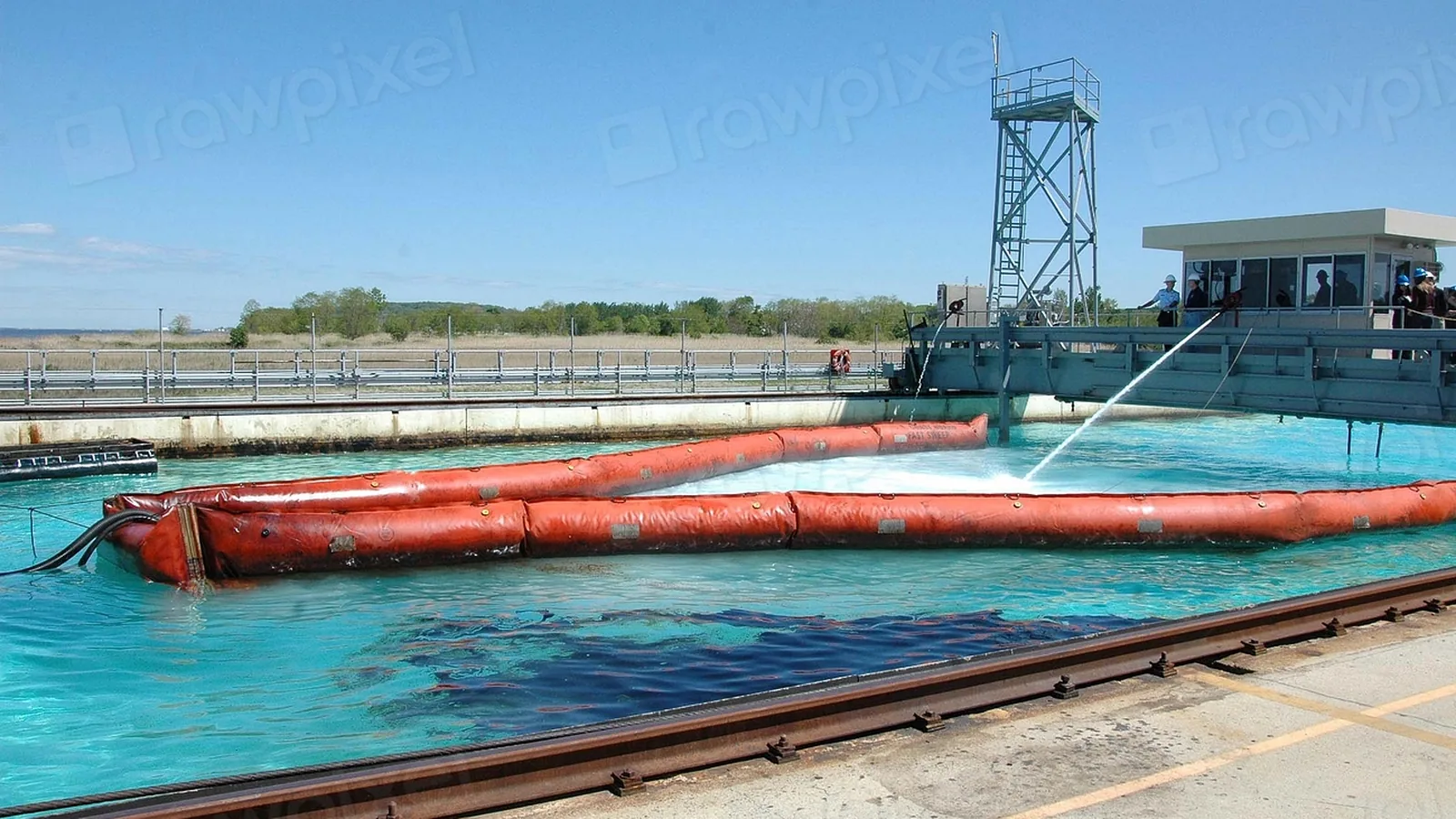
SLB's Gulf Revenue Rebounds 13% as Rigs Return
Crude Oil and OPEC+SLB's third-quarter Middle East revenue rose 13% sequentially as activity recovered in Iraq, Kuwait, Oman, Saudi Arabia, Qatar and the UAE, according to Bloomberg-sourced reporting. The rebound is partial: SLB flagged renewed disruption late in the quarter, so the Middle East recovery remains gradual, not complete.
CCS lobby warns Britain against Budget hesitation
The Transition DeskBritain's carbon capture trade body is warning that hesitation before the Budget could send investment to competitors, but its case is advocacy, not audited data. Figures from the Carbon Capture and Storage Association on HyNet supply-chain contracts are self-reported and unverified by this desk. The Budget outcome is unannounced, and this is analysis, not advice.
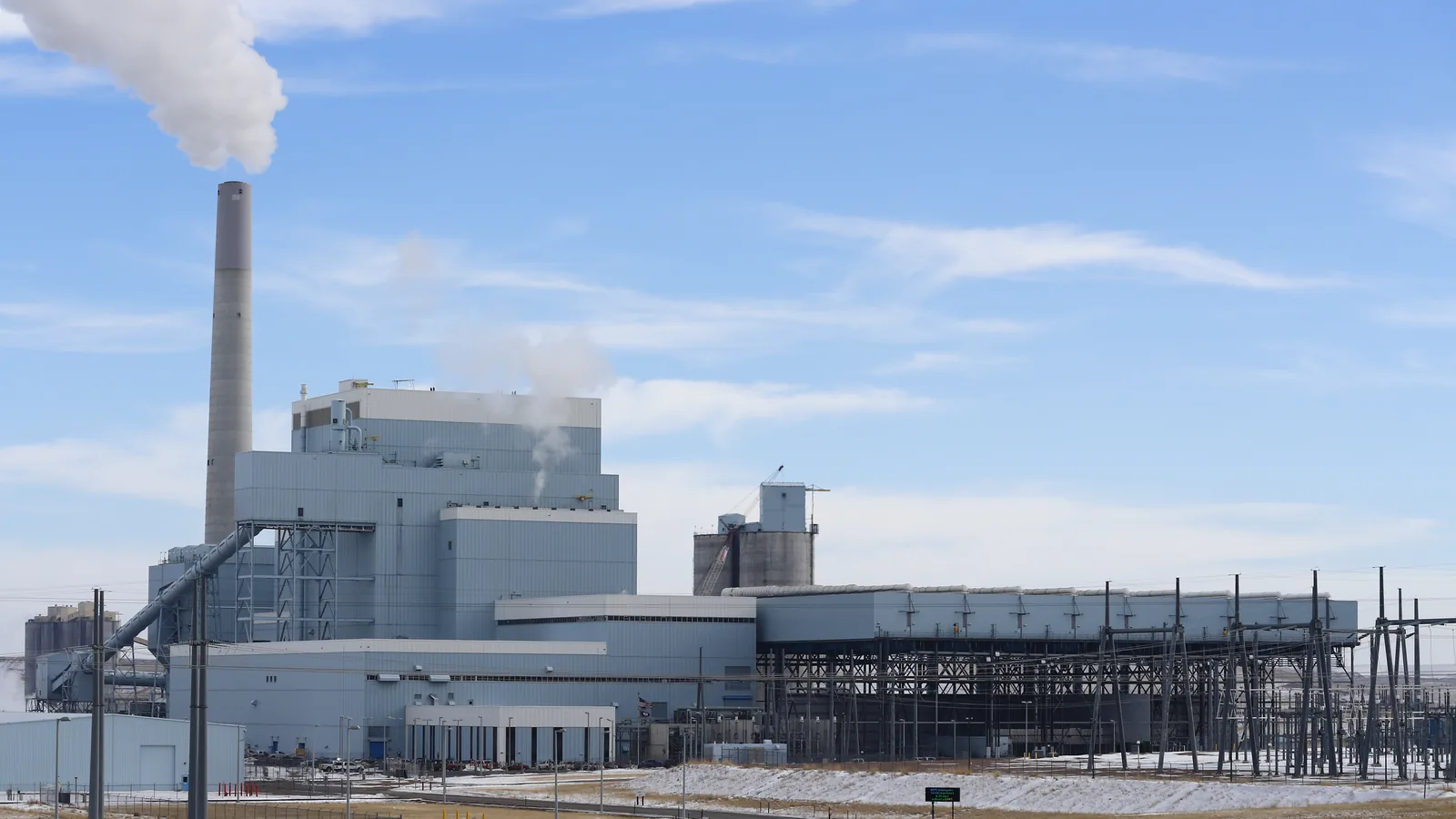
Cheniere Reported to Sell QatarEnergy 4 mtpa of US LNG
Refining, Petrochemicals and Gas/LNGCheniere Energy is reported to have agreed two long-term supply deals to sell QatarEnergy a combined 4 mtpa of LNG through 2054, flowing from US plants to Qatar. Per Offshore Technology, pricing is Henry Hub-linked plus a fixed fee, on a free-on-board basis. We have not located a company release confirming terms.

Saipem-MDC Egypt MoU: An Option, Not Yet a Rig Contract
Refining, Petrochemicals and Gas/LNGThe Saipem and Modern Drilling Company memorandum is an option, not a rig contract. Announced as a non-exclusive MoU for offshore drilling collaboration starting in Egypt, it names no rigs, value or timeline. Its worth depends on whether Saipem and Modern Drilling Company convert it into a joint venture or tendered work.

Aibel wins Wisting topsides FEED as Equinor eyes 2027 FID
Crude and OPEC+Aibel's Wisting topsides FEED contract is a pre-sanction step for a Barents Sea oil project whose partners expect a concept choice by end-2026 and a final investment decision in late 2027, according to Offshore Technology. For crude markets, Wisting is a distant non-Gulf barrel, not near-term supply.

Crude Freight Tops $20 a Barrel, Up From $3 a Year Ago
The Barrel BriefGoldman Sachs estimates the global average crude freight rate has risen above $20 a barrel from about $3 a year ago, with Strait of Hormuz war risk the largest single component at roughly $7. Freight sits outside most free-on-board benchmarks, so distant sellers may absorb it as discounts. Analysis, not advice.
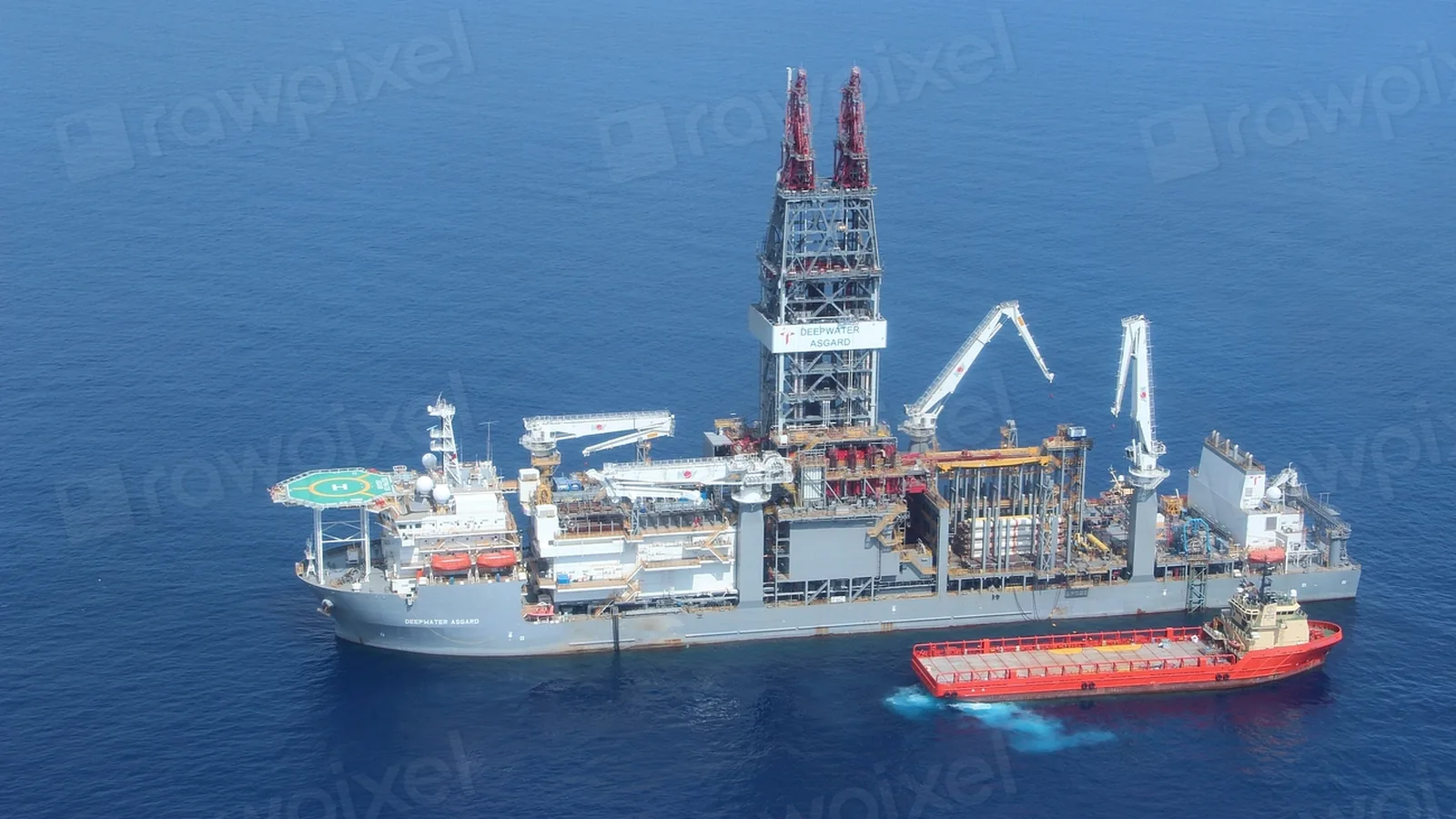
Corpus Christi LNG Volumes Rise 46% in Q3
Refining, Petrochemicals and Gas/LNGThe Port of Corpus Christi reported LNG volumes up 46.2% year on year to 6.6 million tons in the third quarter of 2026, as relayed by LNG Prime. The data show a volume gain only; the sources reviewed do not tie it to Cheniere Corpus Christi expansion, and crude shipments fell.
 NOC Watch