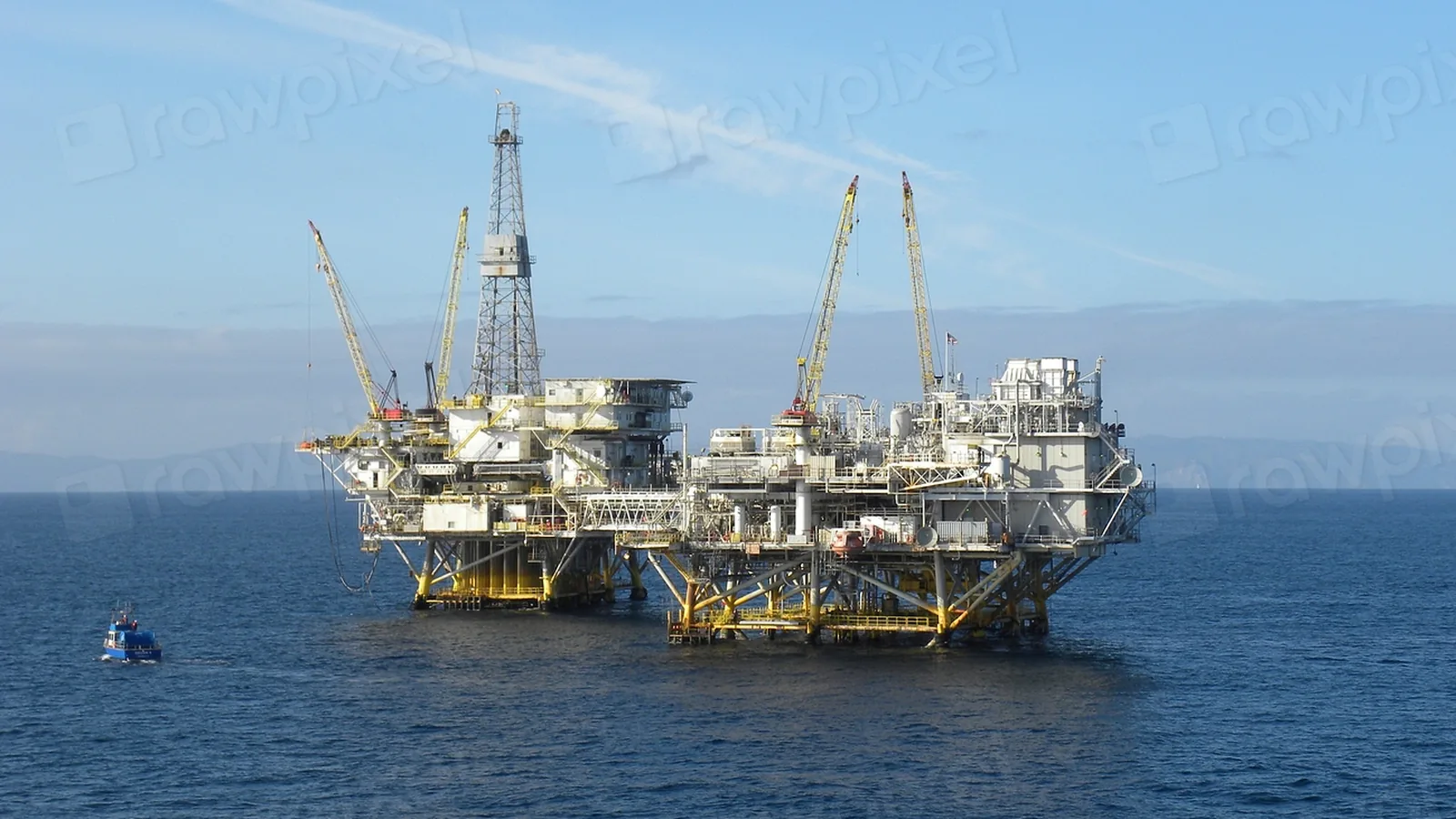
Saudi Output Reportedly Down Sharply in August
OilPrice.com's latest report puts Brent near $104 and Saudi crude output down roughly 1.9 million barrels a day in August, framing the Strait of Hormuz as effectively closed since March. The strait's actual record, per Al Jazeera's own reporting, includes a brief reopening and a distinct later closure declaration — not one continuous shutdown.
Confirmed: OilPrice.com reports Brent trading near $104 a barrel and Saudi Arabia's crude output down roughly 1.9 million barrels a day in August 2026, while the Strait of Hormuz has been effectively shut to routine shipping since March. The strait's actual timeline, however, includes a brief mid-April reopening and reclosure, not a single continuous shutdown. This is analysis, not advice.
The Gulf Barrel Desk · 5 min read- OilPrice.com reports Brent near $104 a barrel and Saudi crude output down roughly 1.9 million barrels a day in August 2026 — figures we are relaying from that report, not independently verifying against a primary OPEC or Bloomberg dataset.
- The Strait of Hormuz has not been shut continuously since the conflict began: Al Jazeera's June 11, 2026 reporting documents an initial closure, a brief reopening in mid-April, a reclosure the next day after a U.S. port-blockade announcement, and a separate 'complete closure' declaration on June 11.
- Because the strait's history is punctuated rather than continuous, any recovery timeline — including the EIA's cited Q2 2027 marker — is layered on a more uneven disruption pattern than 'shut since March' implies.
- Record tanker rates and the EU's 57 percent energy-import dependence, both cited in the sourced report, describe real structural exposure but are separate, demand-side and freight-market dynamics from the supply-side Hormuz story.
- This is analysis, not a trading call — several of the underlying figures trace to sources this desk could not independently access at time of writing and are flagged accordingly.
OilPrice.com's latest report puts Brent a touch above $104 a barrel, Saudi Arabia's crude output down roughly 1.9 million barrels a day in August 2026, and the Strait of Hormuz effectively shut since March. That framing is directionally right but flattens a messier record: the strait's actual history, per Al Jazeera's own reporting, includes a closure, a brief reopening, a reclosure, and a separate later closure declaration — not one continuous shutdown. This is analysis, not advice.
What The Report Claims
The sourced report's core claims are: Brent near $104 this morning, down slightly from a prior surge; Saudi output down about 1.9 million barrels a day in August; tanker rates at record levels; and the EIA not expecting Middle East production near pre-conflict levels until the second quarter of 2027. These figures come from OilPrice.com's own account and are relayed here as reported, not independently re-verified against the underlying survey or agency data by this desk.
The Strait's Real Timeline
Hormuz's closure has not been one continuous event. Al Jazeera's June 11, 2026 reporting documents an initial closure around March 2, a brief reopening on April 17, a reclosure the very next day following a U.S. port-blockade announcement on April 13, and a separate 'complete closure' declared on June 11 — roughly three months after the initial shutdown. A 'shut since March' shorthand compresses that sequence into a single event it was not.
Why The Sequence Matters
A punctuated closure and a continuous one carry different risk signals: the former shows repeated attempts to reopen the corridor collapsing under new triggers — first a naval blockade, later an escalation serious enough to prompt a 'complete closure' declaration — rather than a static blockade. That pattern suggests the chokepoint's status remains contingent on evolving military and political decisions, not a fixed wartime baseline, which matters for anyone using the EIA's Q2 2027 marker as a floor rather than a moving estimate.
What We Can't Independently Confirm
This desk was not able to independently verify the 1.9 million-barrel Saudi output figure or the EIA's Q2 2027 recovery projection against primary survey or agency documents at time of writing; both are relayed from OilPrice.com's report rather than confirmed firsthand. The same applies to the unattributed $104 Brent print, which carries no exchange, contract month, or timestamp in the sourced item — treat it as a snapshot, not a confirmed settlement.
The Europe Angle, Sized Correctly
The report's broader point — that the EU imports 57 percent of the energy it consumes and spent roughly €340 billion on energy imports, by its own citation — describes a real, longstanding structural exposure. It is a demand-side fact layered onto a supply-side shock: Hormuz disruption raises what Europe pays for that 57 percent, but it does not itself explain the underlying dependency ratio, which predates the current conflict by years.
So What
The near-term signal to watch is whether Hormuz's pattern of closure-reopening-reclosure repeats again, since each prior reopening attempt has collapsed within roughly a day. Traders and consumers should treat the EIA's Q2 2027 marker as provisional against that history, not fixed. This is analysis, not a trading call, and several of its load-bearing figures remain sourced to a single report this desk could not independently verify.
- Has Saudi Arabia's oil output actually fallen sharply?
- Reported, not independently confirmed by this desk: OilPrice.com's account puts the decline at roughly 1.9 million barrels a day in August 2026. We could not verify the underlying survey data directly, so treat the figure as sourced to that report rather than a confirmed primary release.
- Is the Strait of Hormuz completely closed to oil traffic?
- Effectively closed as of Al Jazeera's June 11, 2026 reporting, but not via one continuous shutdown — the strait closed initially, briefly reopened in mid-April, reclosed within a day after a U.S. port-blockade announcement, and was later declared 'completely closed' on June 11.
- When does the market expect Gulf oil production to recover?
- OilPrice.com's report cites the EIA projecting no return to pre-conflict Middle East output before the second quarter of 2027. This desk could not independently verify that projection against the EIA's own published outlook for this piece, so it is relayed, not confirmed.