Turkey's COP31 Climate Pitch Meets Its Gas and Power
Turkey, the COP31 host, wants climate spending to outrank defence. The IEA's review of its energy system shows what is built and what is planned.
Turkey's climate-over-defence appeal at COP31 is rhetoric until financed; its own energy plan is the better test. The IEA says renewables supplied 43% of Turkish power in 2025, with 55% targeted by 2035, while the Sakarya gas field is meant to supply over a quarter of 2024 gas demand.
The Gulf Barrel Desk · 3 min read- Turkey, as COP31 host, is encouraging wealthy countries to spend more on climate support than on defence, according to OilPrice.com; the report cites no budget figure.
- The IEA says renewables supplied 43% of Turkey's electricity in 2025, and the National Energy Plan foresees 55% by 2035.
- At full capacity the Sakarya gas field is expected to produce 16.5 billion cubic metres a year, more than a quarter of Turkey's 2024 gas consumption, per the IEA.
- The IEA expects Turkish electricity demand to keep rising through 2035 after almost 5% average annual growth from 2005 to 2024.
- Turkey is pursuing both renewables and domestic gas, so its build-out expands supply on both tracks rather than replacing one with the other.
Turkey, host of the COP31 climate summit in Antalya from 9 to 20 November, is encouraging wealthy countries to spend more on climate support than on defence, according to OilPrice.com. The report gives no budget figure or fund. The more useful measure is the host's own energy system, which the IEA reviewed in September. It shows a country adding renewables and domestic gas at once. This is analysis, not investment advice.
The appeal has no money attached
The request is a stated position, and the OilPrice.com report cites no amount, financing vehicle or delivery date behind it. Defence and climate budgets are set through separate national processes, so a host's call at a summit does not by itself move money. OilPrice.com also notes that Turkey plans to expand oil and gas production alongside renewables, which it says could sit at odds with the host's climate aims. The report gives no volumes for either.
Renewables are 43% of power, with 55% targeted
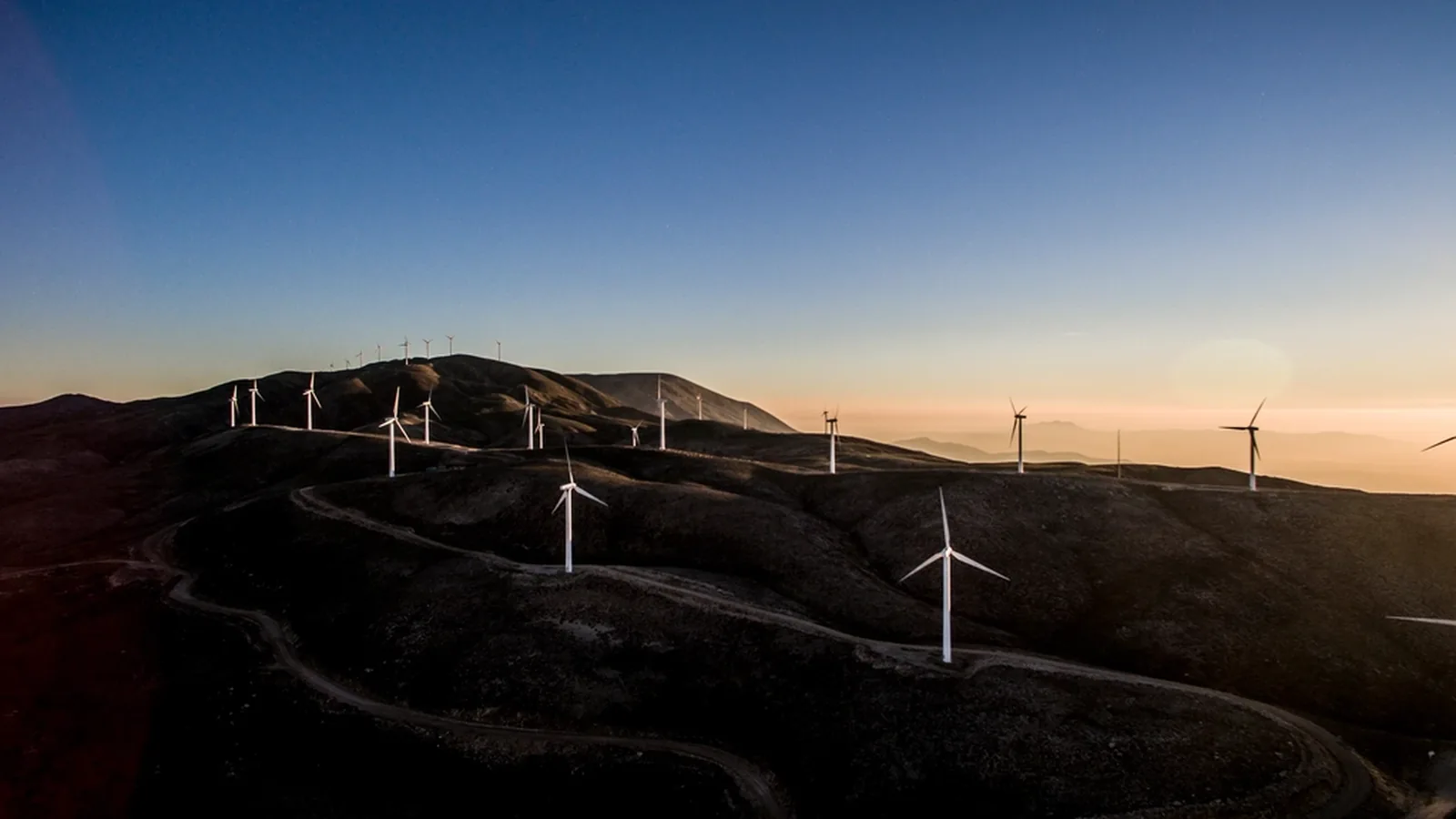
Renewables supplied 43% of Turkey's electricity generation in 2025, and the National Energy Plan foresees 55% by 2035, according to the IEA's 2026 review. The agency adds that solar capacity is expected to almost quadruple between 2024 and 2035 and wind capacity to triple. Electricity demand grew almost 5% a year on average between 2005 and 2024, the fastest among IEA members, and is expected to keep rising through 2035. Fast demand growth means new supply is needed from every source.
Sakarya gas is the domestic-supply bet
At full capacity the Sakarya gas field is expected to produce 16.5 billion cubic metres a year, equivalent to more than a quarter of Turkey's 2024 gas consumption, per the IEA. The agency describes Turkey as increasing domestic gas output from recent Black Sea discoveries. The IEA release gives no oil production figure and no total gas output, so the scale of the oil and gas expansion OilPrice.com mentions cannot be sized from these sources. 'Full capacity' is a target, not a delivered volume.
What to watch after Antalya
The test is conversion. Watch whether any COP31 pledge names an amount, a vehicle and a date, and whether Turkey's solar and wind additions keep pace with the 55% renewables path. Also watch whether Sakarya reaches the full capacity the IEA describes, because that sets how much imported gas Turkey displaces. Until pledges and projects reach financing and delivery, they remain announcements rather than physical supply.
- What is Turkey asking wealthy countries to do at COP31?
- According to OilPrice.com, Turkey is encouraging wealthy countries to spend more on climate support than on defence. The report gives no budget figure, fund or timetable, so it is a stated position rather than a financed commitment.
- How much of Turkey's power comes from renewables?
- The IEA says renewables supplied 43% of Turkey's electricity generation in 2025. Turkey's National Energy Plan foresees that share rising to 55% by 2035, and solar capacity is expected to almost quadruple between 2024 and 2035.
- How big is the Sakarya gas field?
- The IEA says that at full capacity the Sakarya gas field is expected to produce 16.5 billion cubic metres a year. That is equivalent to more than a quarter of Turkey's 2024 gas consumption.
- COP31 Host Urges NATO Nations to Spend More on Climate Than Defense — OilPrice.com
- Türkiye can build on strong energy foundations to meet rising demand, new IEA review says — International Energy Agency