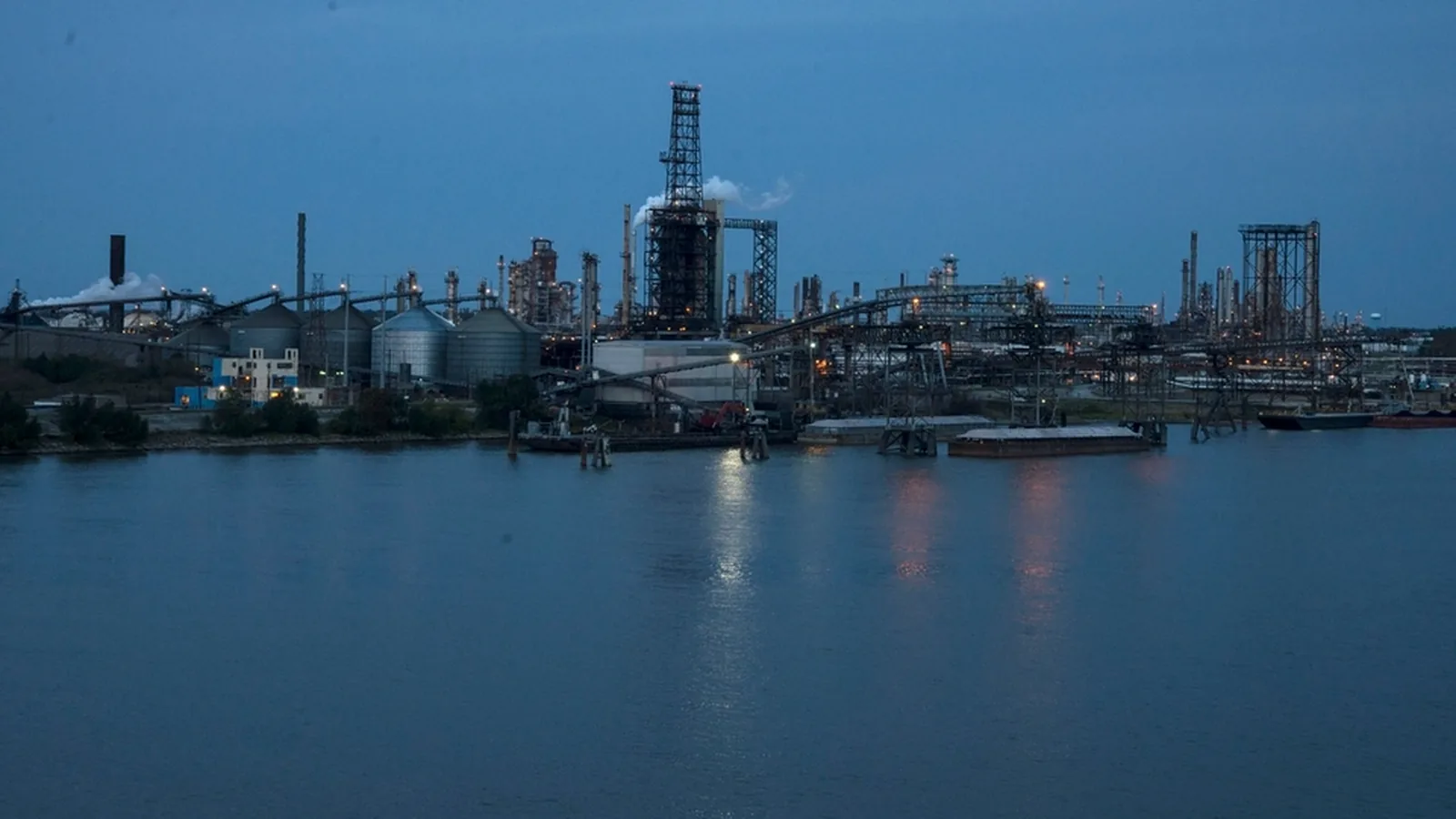
Brent Near $110 as Hormuz Flow Data Stay Unreconciled
Brent topped $110 on tanker-attack reports, yet the flow estimates conflict and the supply loss is unconfirmed.
Brent crude briefly topped $110 on 19 October, but the Strait of Hormuz flow evidence is unsettled. Kpler tracking, as relayed by OilPrice.com, shows sharply lower Gulf outflows, while ING calls flows relatively strong and sees a risk premium. Sources conflict, so the supply loss is unconfirmed. This is analysis, not trading advice.
The Gulf Barrel Desk · 3 min read- OilPrice.com, in a report timestamped 19 October 2026, 11:56 PM CDT, said Brent topped $110 earlier in the day and traded at $109.68 at the time of writing, a five-month high.
- The same report quoted WTI at $98.55 while its opening text said WTI was back over $100; the two figures are inconsistent and neither is an exchange settlement.
- Reuters, citing Kpler data and relayed by OilPrice.com, reported at least 18 tanker attacks over the previous two weeks.
- Kpler's reported Gulf outflow of 8.5 million barrels a day contrasts with ING's description of relatively strong flows; the sources have not been reconciled.
- This is analysis, not trading advice.
Brent crude reached a five-month high on 19 October, but the evidence that barrels are actually missing is weaker than the price move implies. OilPrice.com, in a report timestamped 11:56 PM CDT, said Brent topped $110 earlier in the day and traded at $109.68 at the time of writing, as traders grew more pessimistic about a return to normal Persian Gulf flows. Every price and flow figure here comes from that one report and the coverage it relays, not from exchange, OPEC, EIA or IEA data.
What the price is reacting to
The immediate driver is the reported attack count rather than a published export figure. OilPrice.com cites Reuters, drawing on Kpler data, for at least 18 tanker attacks over the previous two weeks. Earlier this autumn, World Oil reported, citing Bloomberg and a maritime security consultant, that two supertankers were reportedly struck while leaving the Gulf on 31 August. Both reports are secondhand, and neither is an official count of lost cargoes.
Flow estimates do not agree
Tracker estimates conflict, and the report does not explain why. OilPrice.com said Kpler reported the daily average flow out of the Persian Gulf fell to 8.5 million barrels, from more than 20 million two weeks earlier, per a separate Reuters report. It also said Kpler had earlier reported exports recovered to pre-war levels. The report does not state whether these figures cover crude or total liquids, so they cannot be reconciled here and should be read as estimates.
ING reads a risk premium
ING's commodity analysts, Warren Patterson and Ewa Manthey, argue the price carries more than current flows justify. As quoted by OilPrice.com, they said prices remain well supported despite relatively strong Persian Gulf flows, which suggests the market is pricing a significant risk premium given volatility. They added that the war premium would gradually fade if flows stayed stable and strong, and that there were no signs of this yet. This is one bank's reading, set against Kpler's lower outflow estimate.
What to watch next
The next useful signals are official: published loadings from Gulf national oil companies, IEA and OPEC supply estimates, and consistent daily transit counts. If measured outflows hold while attacks continue, the premium may erode; if loadings fall and stay lower, the move becomes fundamental. OilPrice.com also reported renewed Houthi strikes on Saudi energy infrastructure, which adds volatility. Geopolitical risk should be sized, not sold. This is analysis, not trading advice.
- Did Brent actually close above $110?
- Not shown. OilPrice.com said Brent topped $110 earlier on 19 October and was at $109.68 at the time of writing. That is an intraday quote from one outlet, not an exchange settlement.
- Have Hormuz oil flows collapsed?
- Unconfirmed. OilPrice.com relayed a Reuters report citing Kpler that Gulf outflows fell to 8.5 million barrels a day from more than 20 million two weeks earlier. It also noted Kpler had earlier said exports recovered to pre-war levels, and ING describes flows as relatively strong. The measures differ and are not reconciled.
- What would show the premium is fading?
- ING said the war premium would gradually fade if flows stayed stable and strong, and added that there were no signs of that yet. Stable measured outflows alongside lower prices would be the signal to watch.