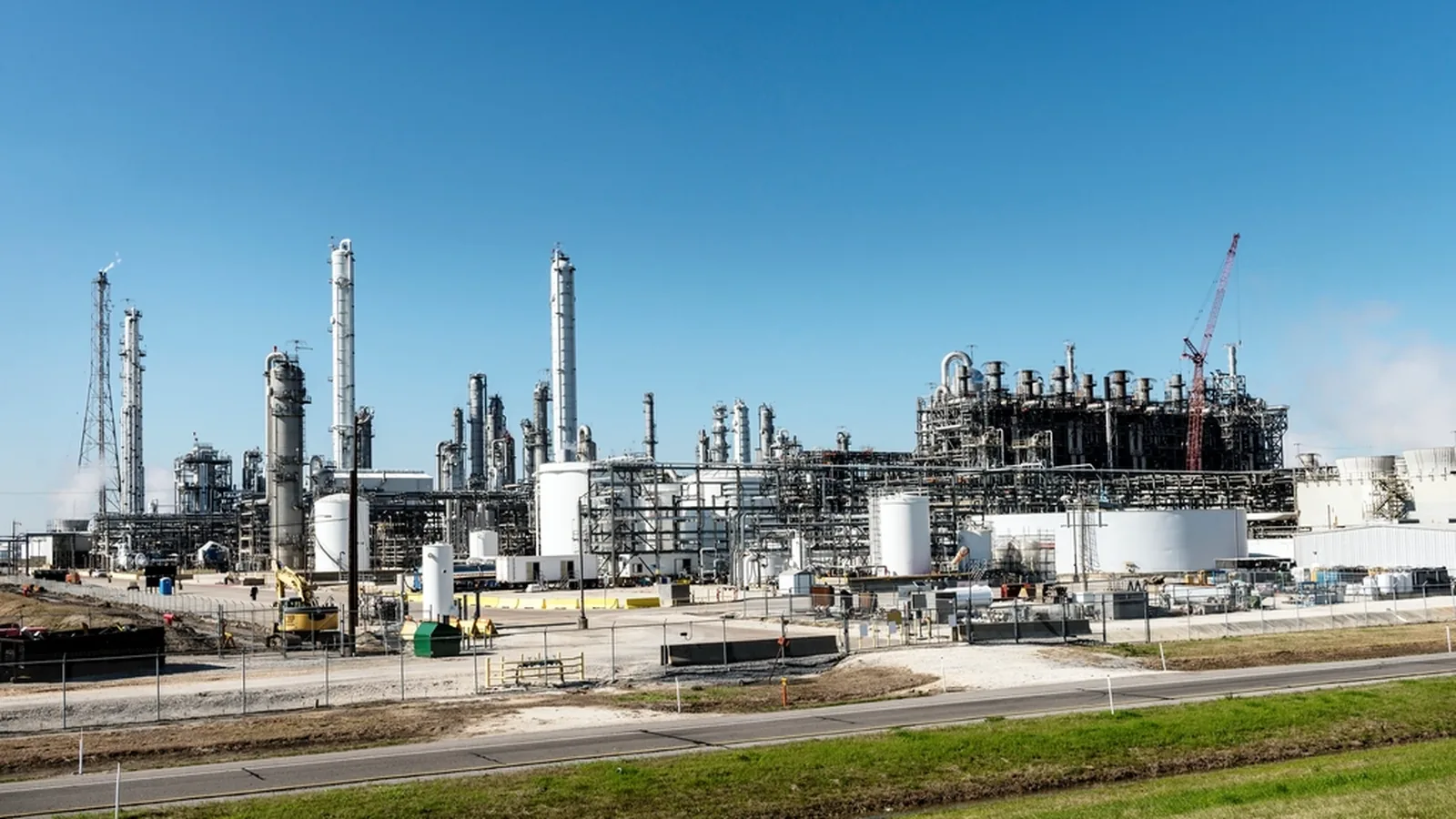
Masdar's Čibuk Complex Reaches 312 MW in Serbia
The newly inaugurated Čibuk 2 wind farm carries a two-year financing paper trail — a named September 2024 lender group, not just a press-release megawatt figure. But the plant's own rated capacity is reported two different ways across the same disclosure record, and a separate 200-plus MW Serbian pipeline has no financing trail at all.
Confirmed: Masdar and Taaleri Energia's Čibuk 2 wind farm is operational in Serbia, lifting the Čibuk complex to 312 MW combined, with financing closed in September 2024 via a EUR 144 million UniCredit/Erste Bank Serbia facility. Unconfirmed: Čibuk 2's own rated capacity — Rigzone lists 152 MW; Masdar and SeeNews list 154 MW — unresolved.
The Gulf Barrel Desk · 4 min read- Čibuk 2 is now operational, lifting the combined Čibuk wind complex in Serbia to 312 MW — confirmed, delivering capacity, backed by a named EUR 144 million debt facility, not just an announced target.
- The plant's own rated capacity is disputed in the record itself: Rigzone's September 21, 2026 report puts Čibuk 2 at 152 MW, while Masdar's 2024 financial-close release and a September 15, 2026 SeeNews report both put it at 154 MW.
- A separate 200+ MW Serbian pipeline in solar, wind and battery storage has no disclosed financial close, lender or construction start — it remains announced-stage, not delivering.
- Commercial operation arrived roughly two quarters after Masdar's original first-quarter-2026 target, with no disclosed reason in the public record for the gap.
- Masdar is Abu Dhabi's state-owned renewables vehicle; this deal is Gulf sovereign capital deployed into a non-Gulf transition asset, not evidence of the Gulf region's own domestic build-out.
Masdar and Taaleri Energia have inaugurated a wind farm in Serbia that lifts their joint Čibuk complex to 312 MW combined — confirmed, financed, delivering capacity, not merely an announced target. What isn't confirmed is how big the new addition, Čibuk 2, actually is: Rigzone's September 21, 2026 report puts it at 152 MW, while Masdar's own 2024 financial-close release and a separate SeeNews inauguration report both put it at 154 MW. That gap, unexplained in the record, sits alongside a separate 200-plus-MW Serbian pipeline with no financing trail at all — two reminders that a megawatt figure is a claim until a filing backs it up.
What's Confirmed: Financed and Delivering
Čibuk 2's paper trail predates this month's inauguration. Masdar's newsroom recorded financial close on September 23, 2024, naming Serbian firm New Energy Solutions as local development partner alongside Taaleri, with commercial lenders UniCredit and Erste Group — via Erste Bank Serbia — each funding half of a EUR 144 million non-recourse debt facility. That structure, with named lenders and a signed close date, is the kind of paper trail a capacity press release alone doesn't carry, and it is why this addition reads as financed rather than merely promised.
The Capacity Figure That Doesn't Match
Rigzone's own September 21, 2026 report — the article prompting this analysis — describes Čibuk 2 as adding capacity that pushes the complex to "over 300MW," and separately states the new plant's size as 152 MW. Masdar's 2024 announcement and SeeNews's September 15, 2026 inauguration report both state 154 MW. Neither the 2-MW gap nor its cause is addressed in any of the three records. On a beat where the number is the story, an unreconciled discrepancy on the plant's own rated capacity, appearing across the same reporting cycle, is a gap worth flagging rather than rounding away.
The 200+ MW That Isn't Built Yet
Beyond the operating Čibuk complex, Rigzone's report describes a further Serbian pipeline of more than 200 MW spanning solar, wind and battery storage. None of it carries a disclosed financial-close date, named lender or construction start comparable to Čibuk 2's. Until that pipeline clears the same milestones, it belongs in the announced-capacity column, not the delivering one — the distinction this desk applies to any transition figure, Gulf-linked or otherwise, before treating it as built.
Schedule Check: Did Q1 2026 Hold?
Masdar's 2024 financial-close announcement targeted commercial operation for Čibuk 2 by the first quarter of 2026. This month's inauguration lands roughly two quarters past that marker. Neither Masdar's original release nor the September 2026 inauguration coverage explains the gap, and construction-to-commissioning slippage of this size is not unusual for a multi-turbine wind build. Still, it is a data point worth logging: a financed project's own delivery date moved, and the public record does not say why.
Why a Serbian Wind Farm Is on This Desk
This is not a Gulf transition story in the sense of domestic hydrogen, solar or CCS build-out — it is a Gulf capital story. Masdar is Abu Dhabi Future Energy Company, the UAE's state-owned renewables vehicle, and Rigzone's report ties Čibuk to more than $13 billion of Masdar capital deployed across Europe, part of a stated 100-GW global target by 2030. That makes Serbia's numbers a proxy for how disciplined Gulf sovereign transition capital is when it leaves the region — and on that narrow question, the record's own inability to agree on a single plant's rated capacity is the relevant finding, not the wind farm itself.
- Is Čibuk 2 actually generating power, or just announced?
- Confirmed operating: Masdar and Taaleri Energia inaugurated the wind farm in September 2026, per Rigzone and SeeNews, bringing the combined Čibuk complex to 312 MW — financed and delivering, not an announced-only target.
- So how big is Čibuk 2 — 152 MW or 154 MW?
- Unresolved. Rigzone's September 21, 2026 report states 152 MW; Masdar's own 2024 financial-close release and SeeNews's September 15, 2026 inauguration report both state 154 MW. Neither outlet flags or explains the gap.
- How was Čibuk 2 financed?
- Masdar's newsroom recorded financial close on September 23, 2024, with UniCredit and Erste Group, via Erste Bank Serbia, each providing half of a EUR 144 million non-recourse debt facility.
- Does Masdar's wider 200 MW Serbian pipeline count as delivered capacity?
- No. As of this report, it has no disclosed financial close or construction start; it sits in the announced column, not the financed or delivering ones.