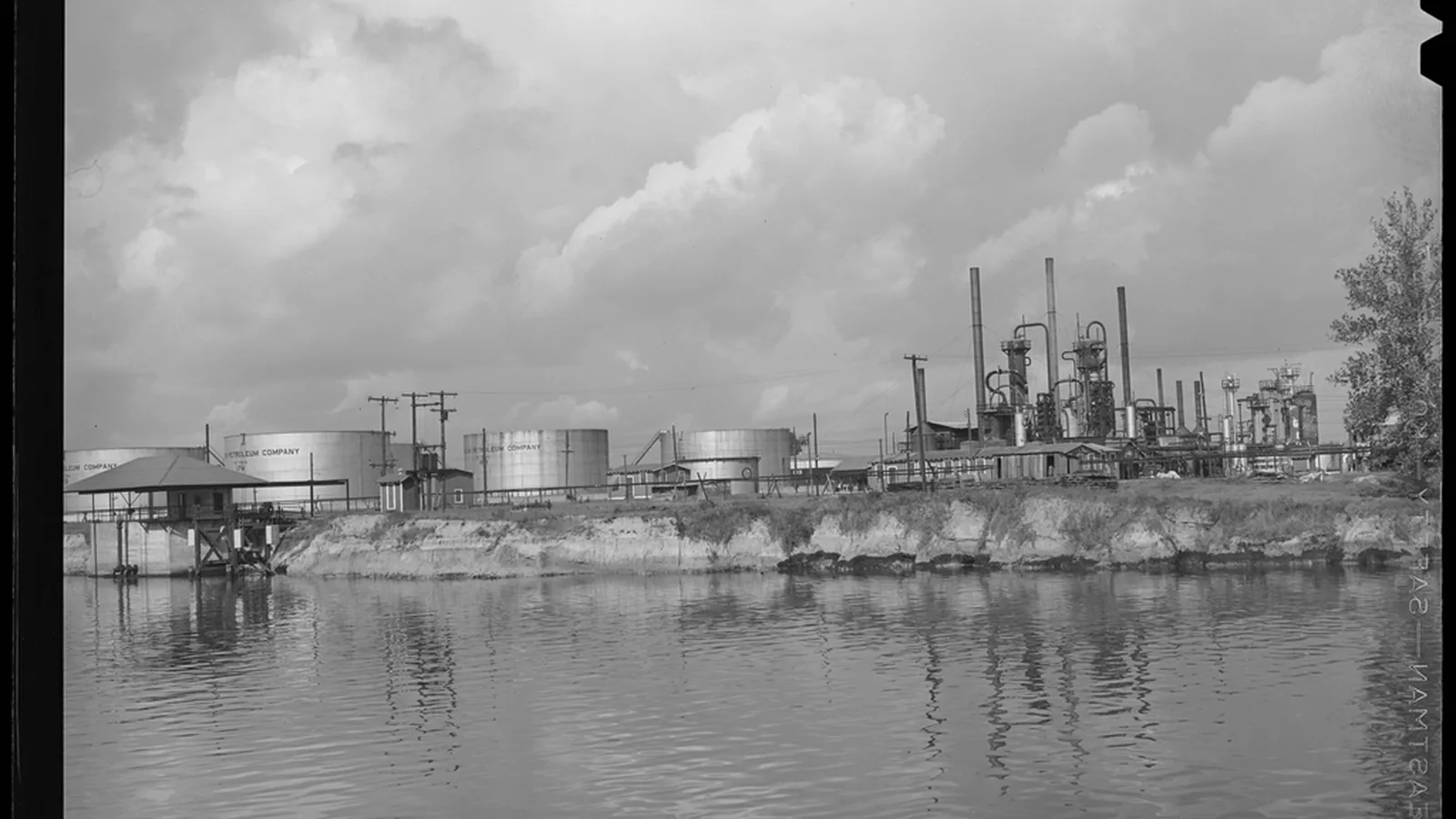
OPEC+ Weighs 2027 Quotas as Supply Rebounds
OPEC+ decides 2027 policy on 29 November as the IEA sees supply rebounding and the capacity review runs late.
OPEC+ meets on 29 November to set 2027 policy with the supply picture swinging against it: the IEA projects oil supply rebounding 6.6 mb/d in 2027 to 108.1 mb/d against demand growth of about 2 mb/d. The capacity review that anchors quotas slipped past its deadline. This is analysis, not advice.
The Gulf Barrel Desk · 3 min read- Rigzone reports that BMI analysts see OPEC+ at a crossroads for 2027.
- The IEA's 13 November report projects supply rebounding 6.6 mb/d to 108.1 mb/d in 2027, against demand growth of about 2 mb/d.
- Confirmed: on 1 November 2026 seven core members held December output targets unchanged, and OPEC named 29 November as the next meeting.
- Reported by Reuters, not confirmed by OPEC: the capacity review slipped from end-September to mid-November, with the Iran war blamed for clouding capacity estimates.
- This is analysis, not trading advice, and it makes no price call.
OPEC+ goes into its 29 November meetings with 2027 policy open and the market backdrop turning against it. Rigzone reports that BMI analysts see the group at a crossroads for 2027. The IEA's November report, issued on 13 November, expects supply to rebound faster than demand next year. Two things decide how hard the choice is: how much Gulf producers can actually pump, and whether the group defends prices or market share. This is analysis, not trading advice.
What the IEA numbers say
The IEA's November Oil Market Report, released on 13 November 2026, expects the market to return to surplus in the fourth quarter of 2026, with a larger build in 2027. It projects supply falling 4.8 mb/d in 2026 and then rebounding 6.6 mb/d to 108.1 mb/d in 2027, while demand falls 2.7 mb/d to 102.3 mb/d in 2026 and recovers by about 2 mb/d in 2027. These are forecasts, not outcomes, and they depend on Gulf exports continuing to recover.
Why the capacity review sets the terms
Quotas hinge on an assessment of each member's maximum sustainable capacity. Reuters, carried by BOE Report, reported that OPEC officials met online on 16 November to discuss the review, and that its deadline slipped from the end of September to mid-November, with the Iran war blamed for clouding estimates of future production potential. Those timings rest on Reuters' unnamed sources and have not been confirmed in an OPEC statement. The practical risk is contested baselines, which would make compliance harder to measure.
What is confirmed on the record
OPEC's release of 1 November 2026 shows seven core members, Saudi Arabia, Russia, Iraq, Kuwait, Kazakhstan, Algeria and Oman, holding December output targets unchanged, and it names 29 November as the next meeting. Nothing in it sets 2027 quotas, so any 2027 figure before that meeting is an estimate. The next primary data points are OPEC's statement after the meetings and the IEA's next monthly report. This is not advice.
- What is the next OPEC+ decision point?
- OPEC's 1 November 2026 release names 29 November 2026 as the next meeting. Until an outcome is issued, any 2027 quota figure is an estimate.
- Why is 2027 harder to call than 2026?
- The IEA's November report projects a larger supply build in 2027 as Gulf exports recover, while Reuters reports that the capacity review behind quotas ran late. A surplus outlook plus contested capacity baselines complicates any quota decision.
- Does this piece recommend a position on crude?
- No. This is analysis of policy and published data, not advice, and it makes no price call.
- OPEC+ at a Crossroads — Rigzone
- Saudi Arabia, Russia, Iraq, Kuwait, Kazakhstan, Algeria, and Oman reaffirm commitment to market stability — OPEC
- Oil Market Report - November 2026 — International Energy Agency
- OPEC officials meet to discuss oil production capacity review — Reuters, via BOE Report